
Macquarie University held it’s annual Open Day for students and parents today, which I attended for the first time with my Dad. This was the first university open day that I have never attended, and it was certainly an interesting experience.
Throughout the day, I attended a number of lectures ranging from psychology to HSC study tips, and I also talked to quite a few people about the societies (extra curricular groups) that Macquarie Uni had to offer. I tried to keep an open mind all day while talking to different people and engaging in courses and societies that firstly seemed a bit questionable, like the security studies and criminology society.
Here’s a quick run down of my lecture experiences, as well as the societies I talked to, and overall, the lessons I took away from this day!
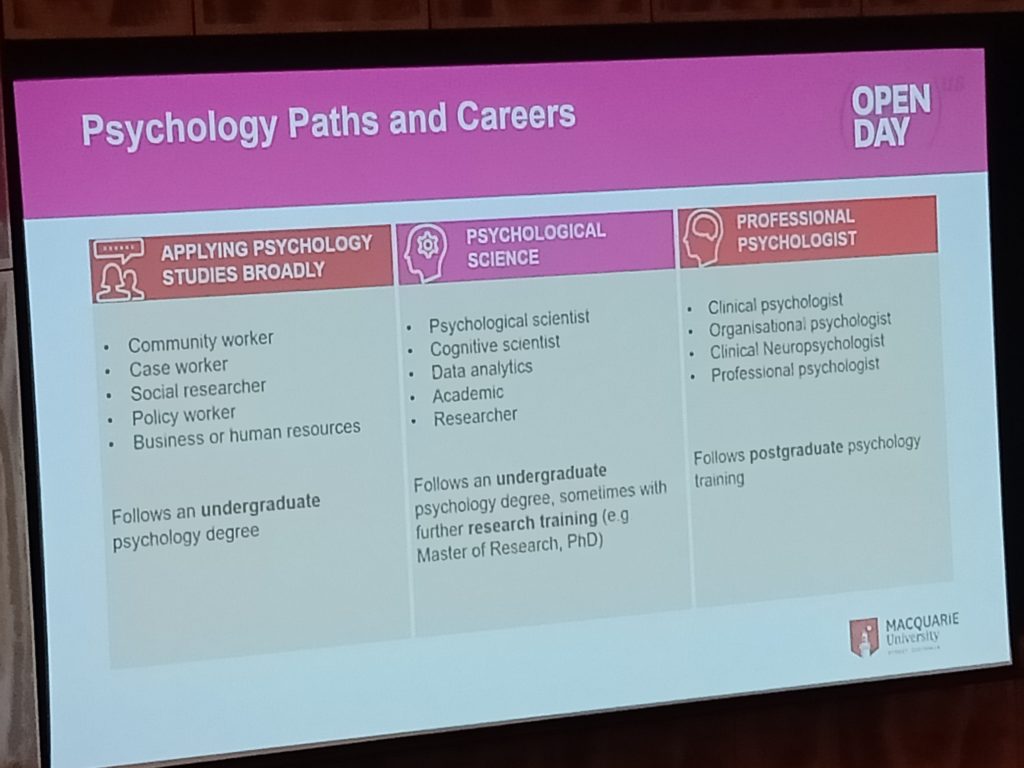
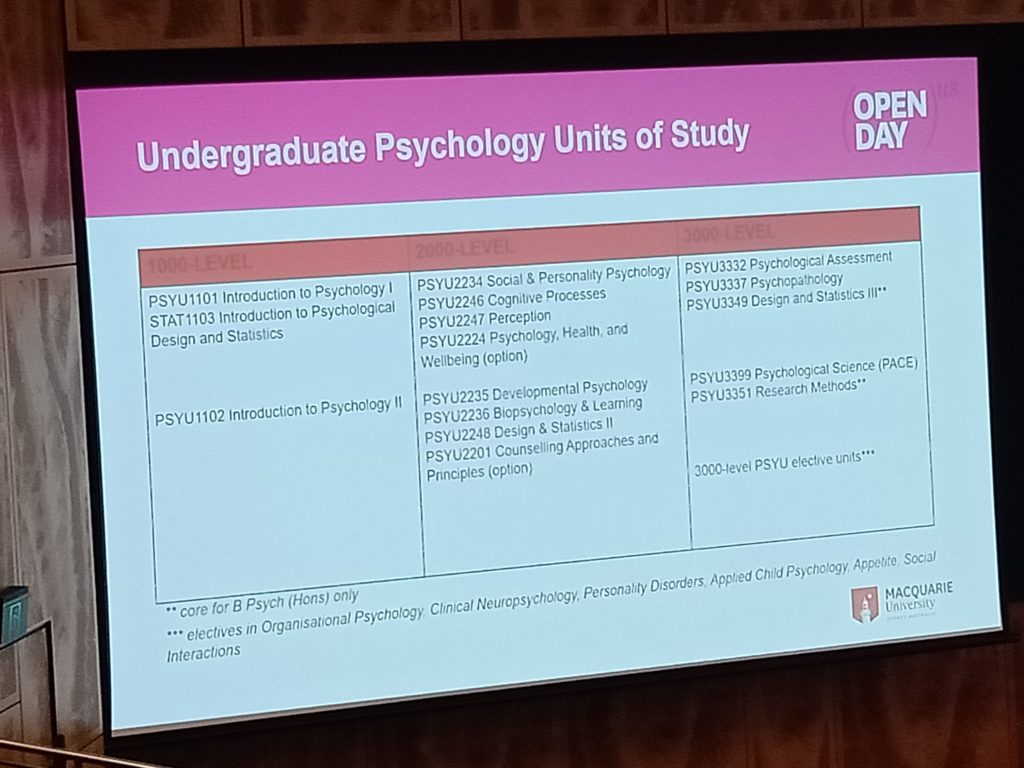
10am: Psychology Lecture with Dr Alissa Beath
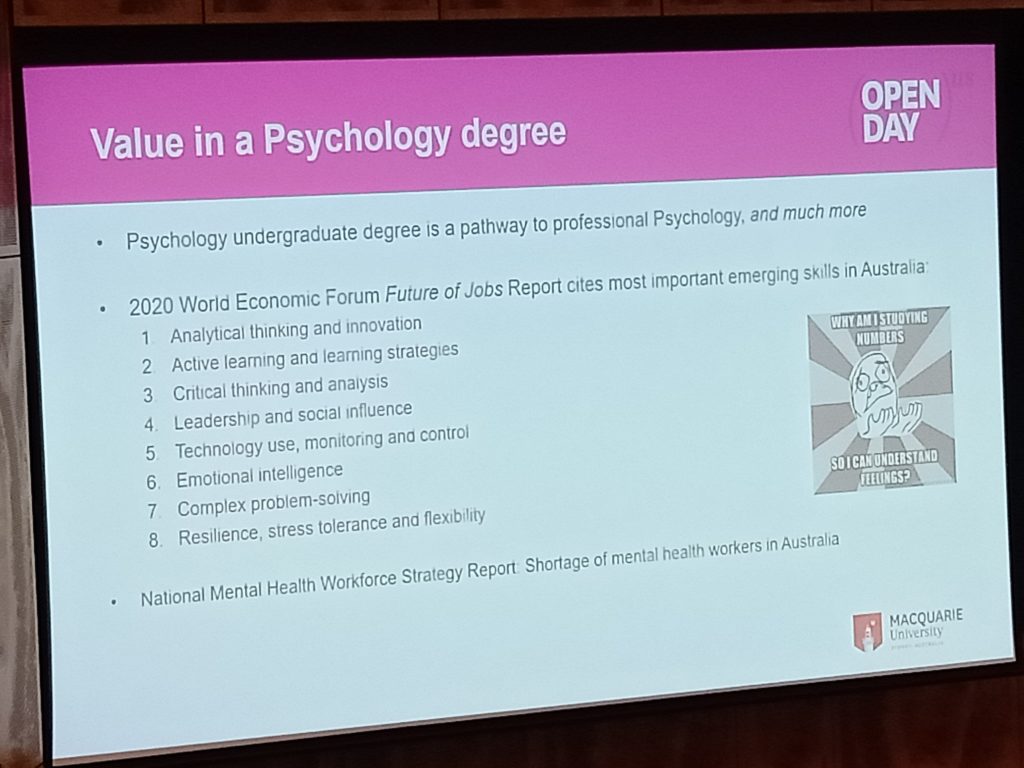
- Psychology is the scientific study of human behaviour and the human mind
- It is both a profession and a scientific discipline
- It is an evidence/data based profession
- There are a myriad of skills that are gained from this course such as:
- Analytical thinking and innovation
- Active learning and learning strategies
- Critical thinking and analysis
- Leadership and social influence
- Technology use; monitoring and control
- Emotional intelligence
- Complex problem solving
- Resilience, stress tolerance and flexibility
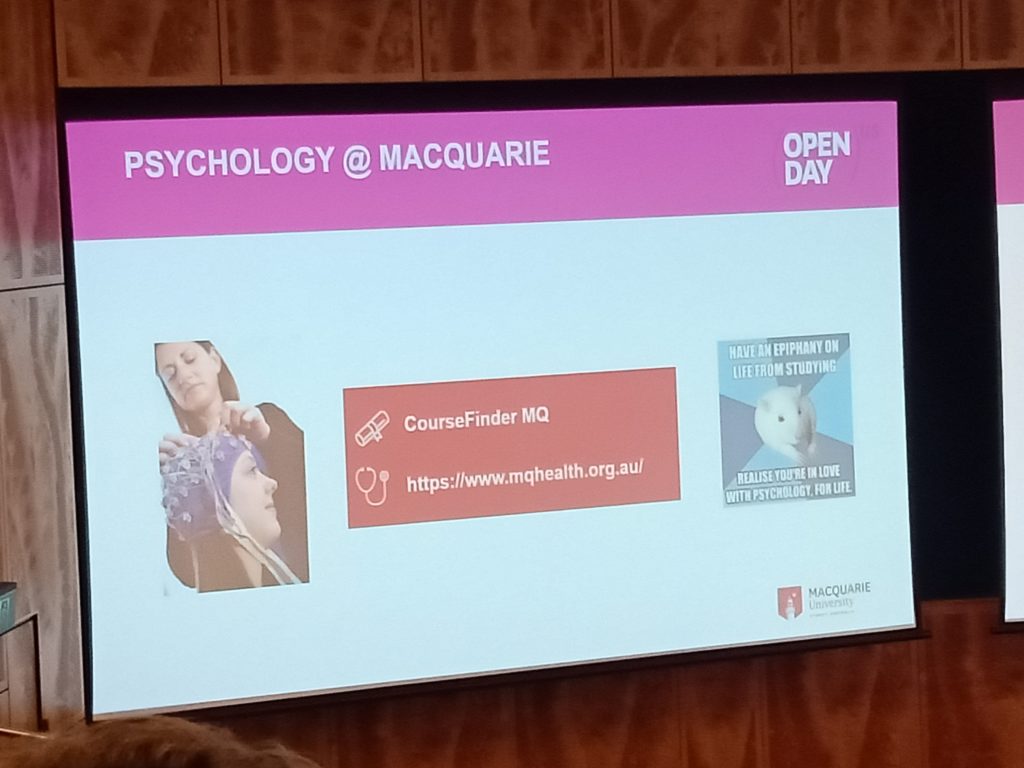
- Psychology Student Society (also known as Macqpsych)
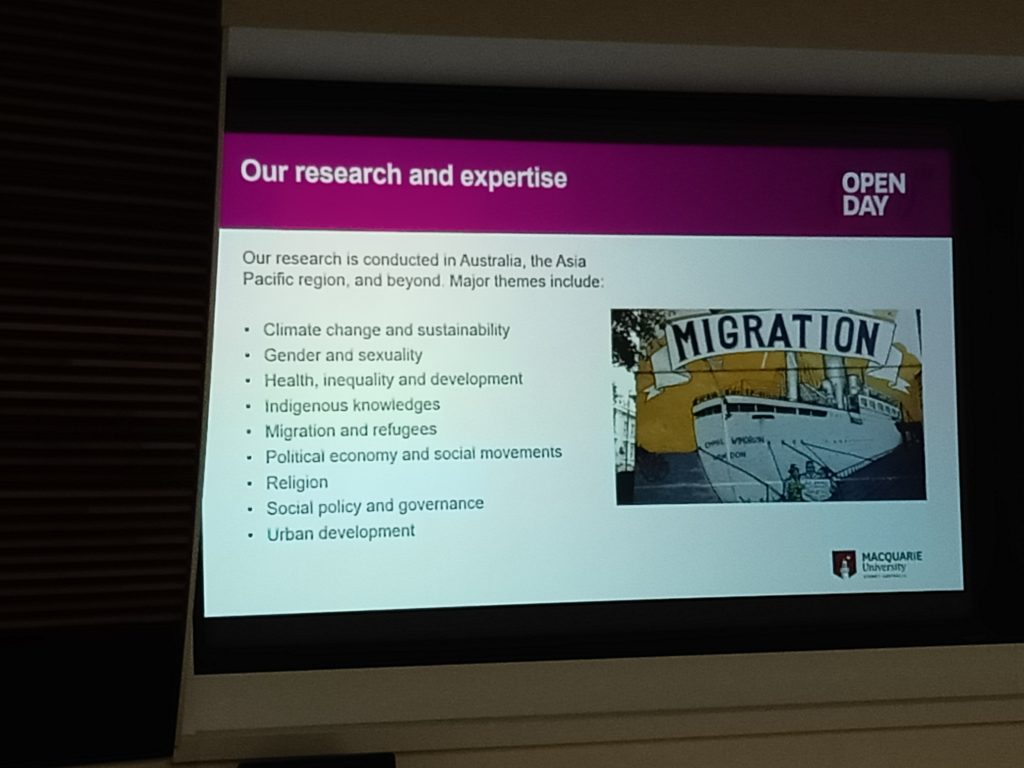
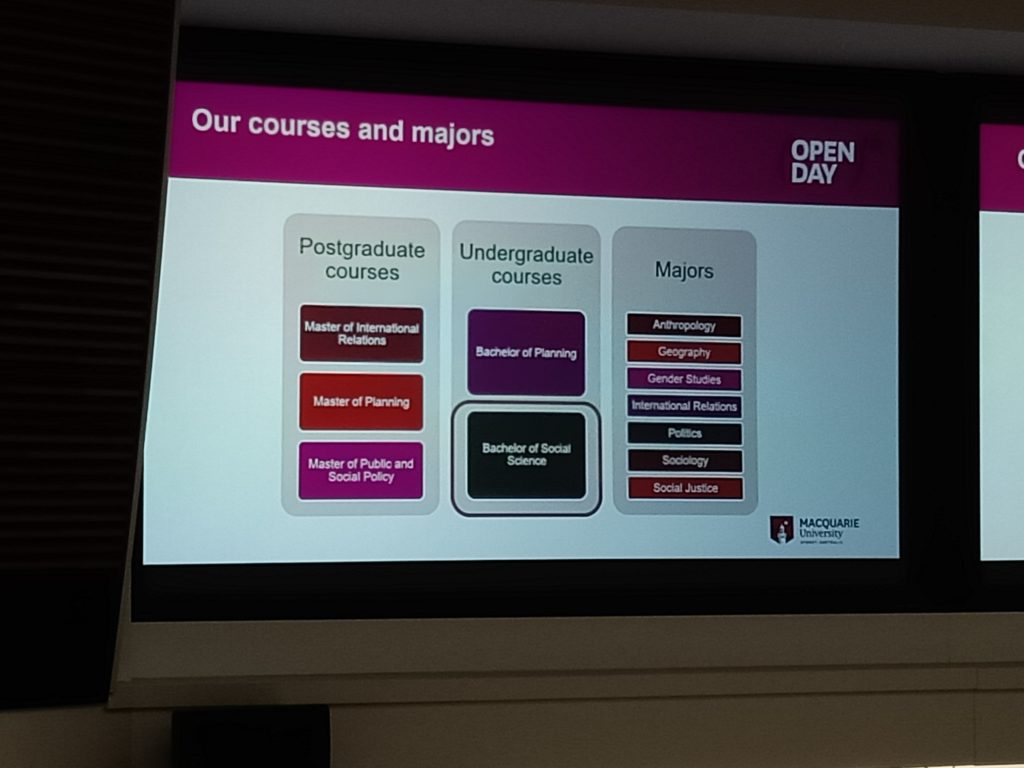
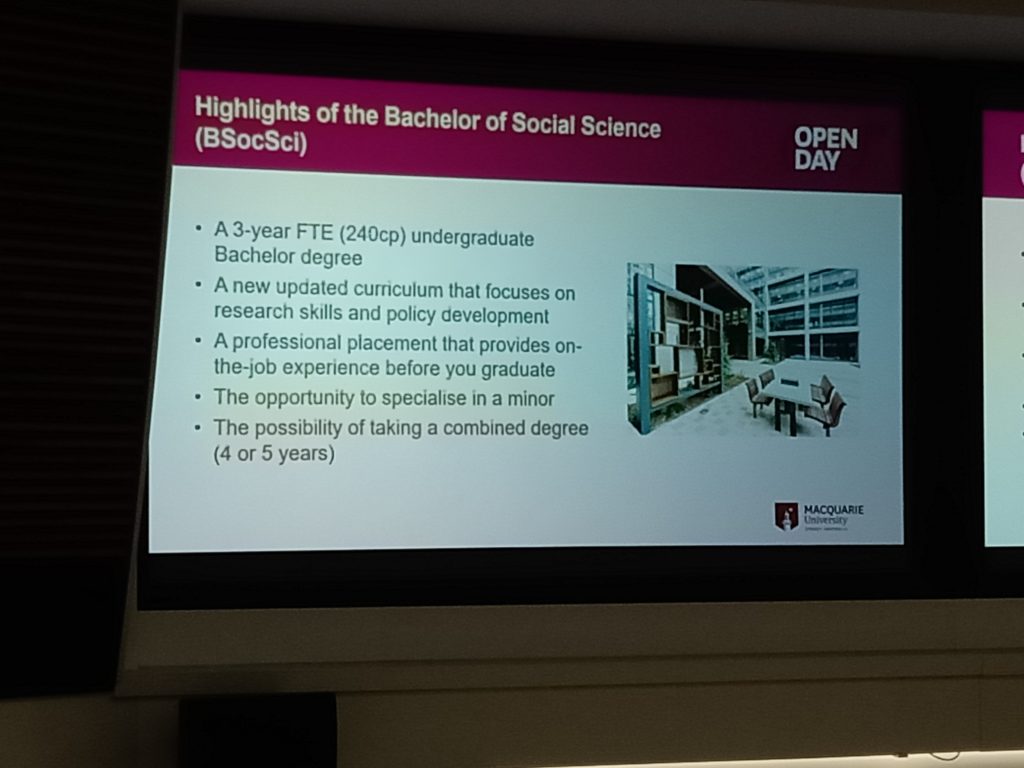
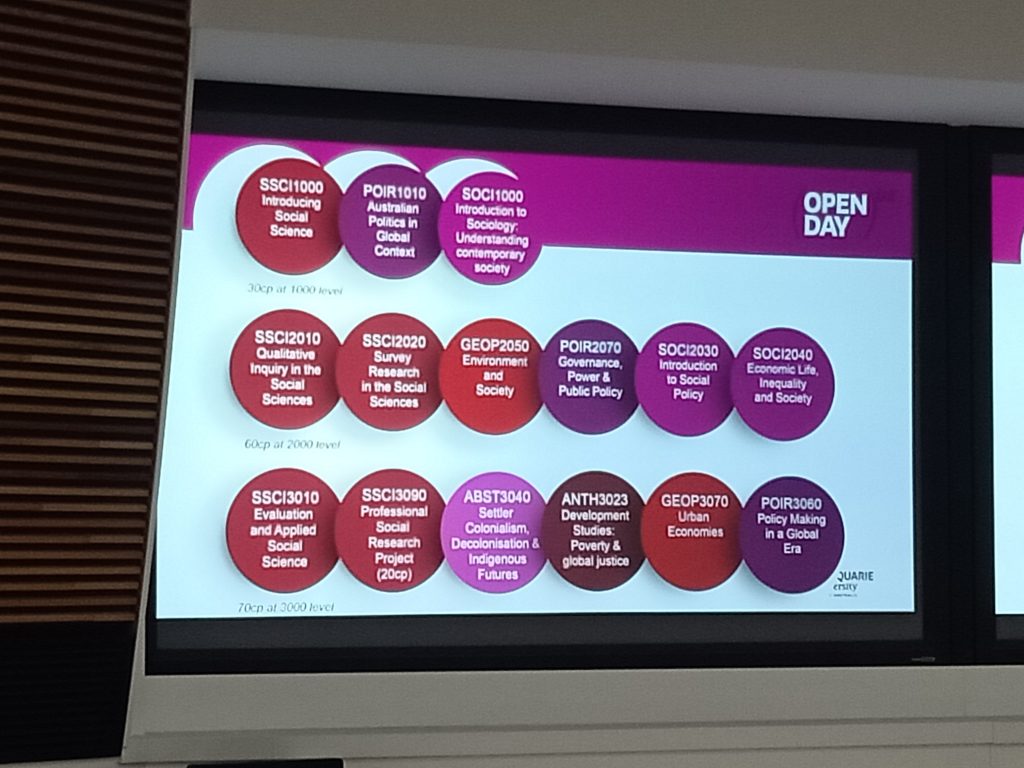
11am: Social Science Lecture
- Areas of study include:
- Anthropology
- Geography + Planning
- Politics and International Relation
- Sociology
- Real world problems
- Social science is the study of society and relationships among individuals and communities
- Develop critical thinking skills
- Interconnected nature of society
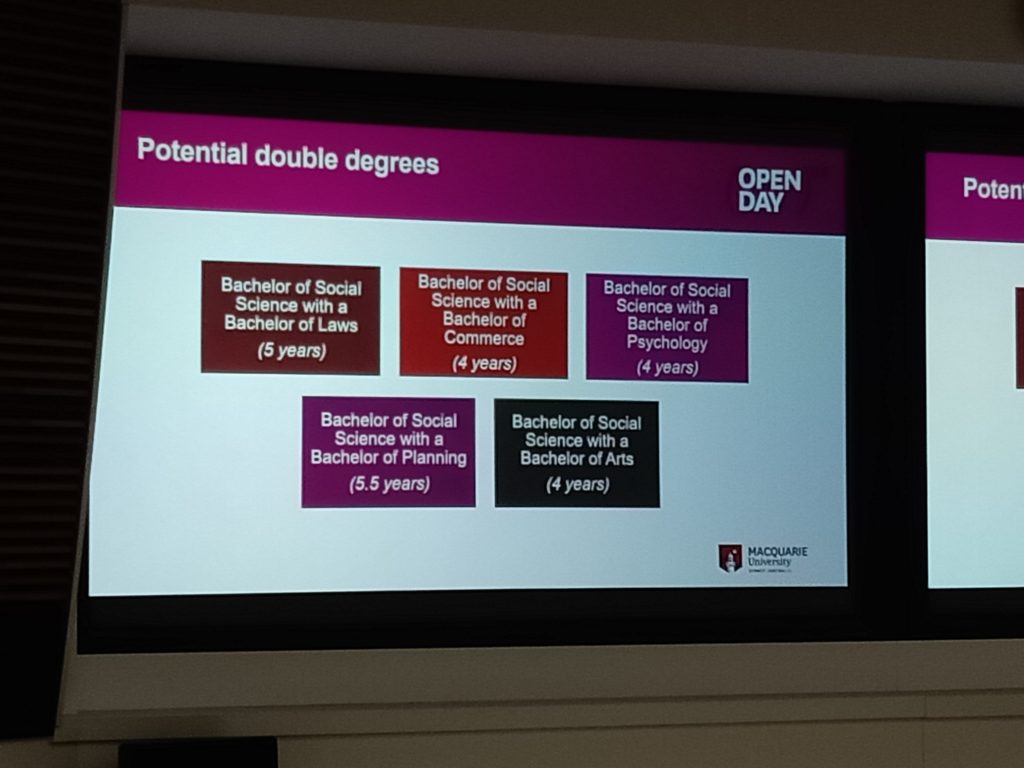
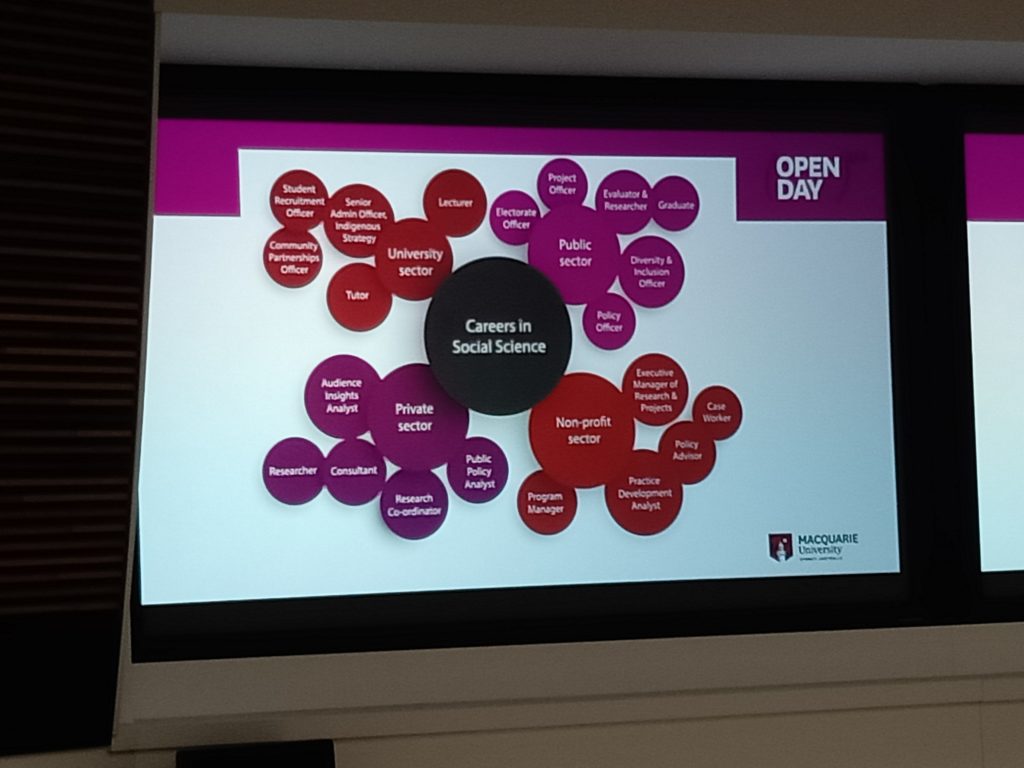
1am: Media and Communications
- I didn’t really take notes on this course, but it was certainly interesting to listen to. I think communication is definitely an important skill to have, and I really like using media to communicate with others, however while I do want to write as a hobby, I don’t want it to be my whole career. Since I was little, I always knew I wanted to be an author, but as I’ve grown up, I’ve begun to realise that I shouldn’t limit myself to just this career and that there are many other career paths, opportunities and areas that I’m also interested in, like psychology.
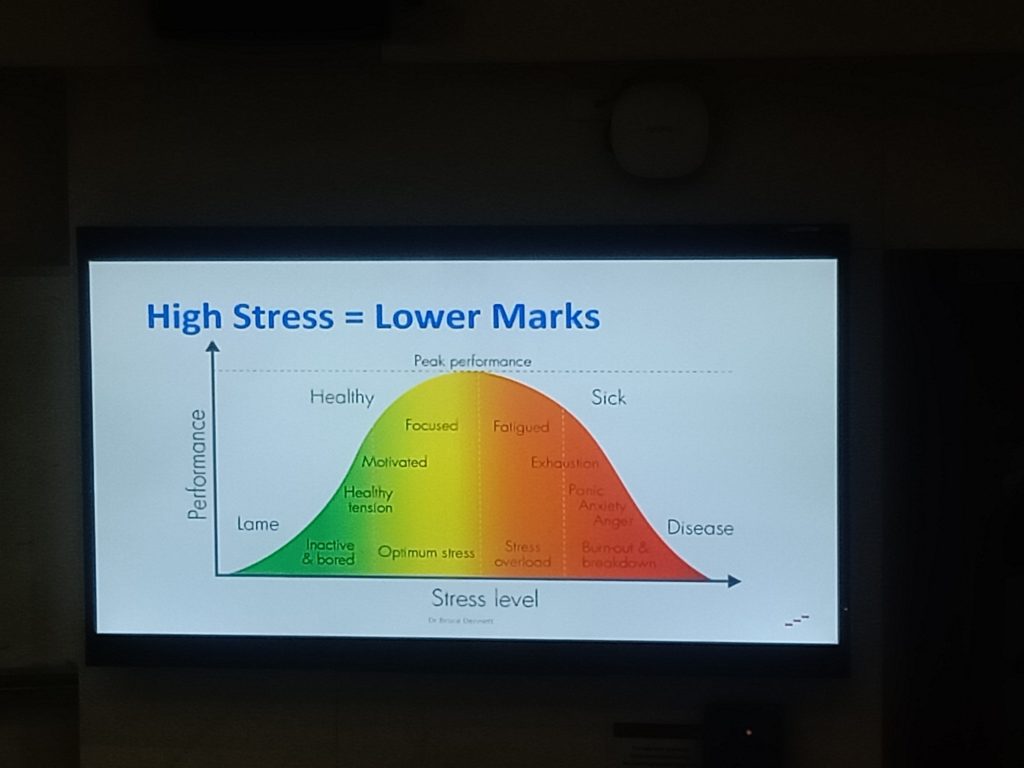
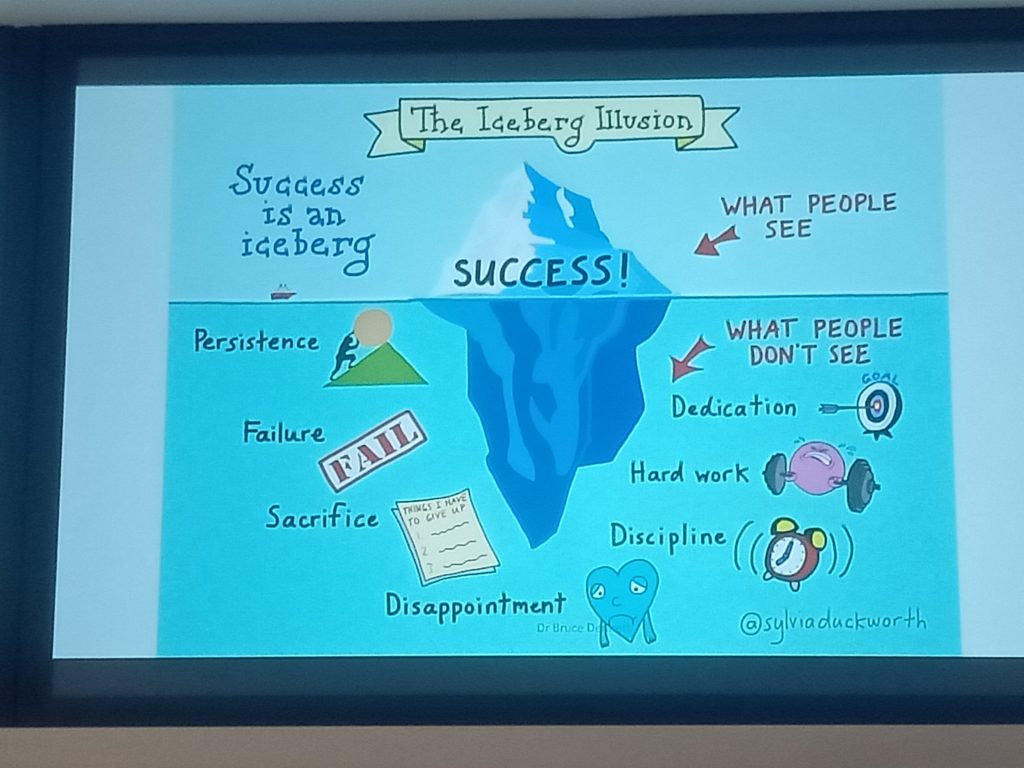
2pm: Maximise Your HSC Lecture with Dr Bruce Dennett
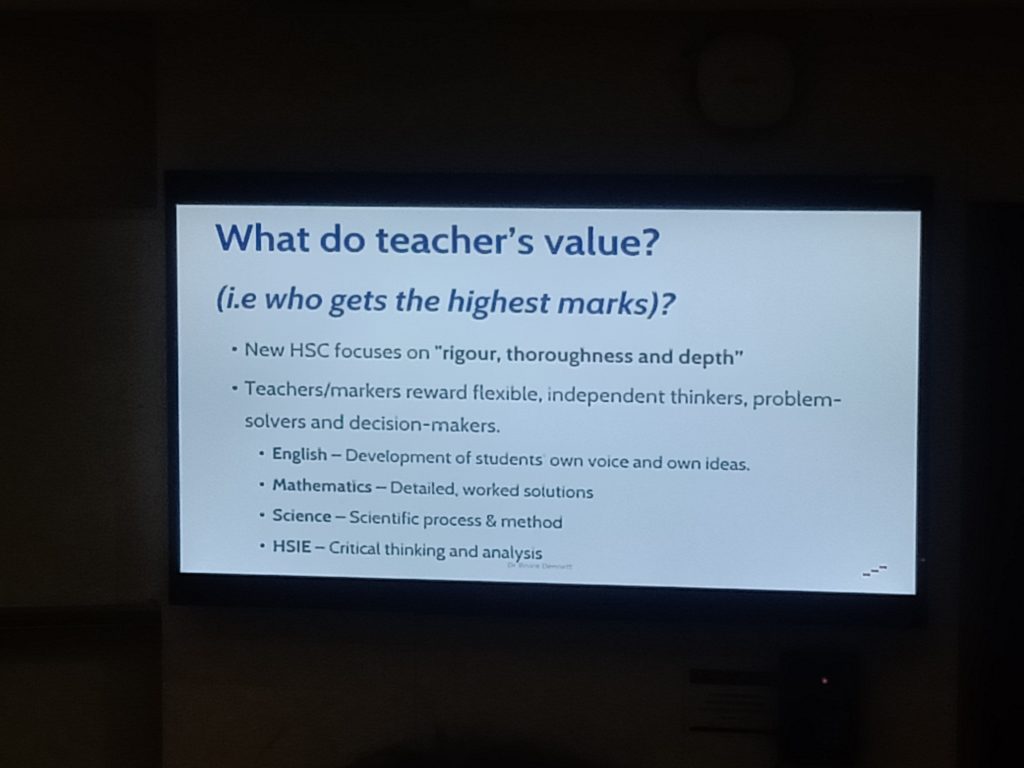
- You don’t get marks in the HSC for knowing stuff; you get marks in the HSC for proving to a marker that you know stuff
- Download the NESA syllabus
- Download the last 3 years of exams
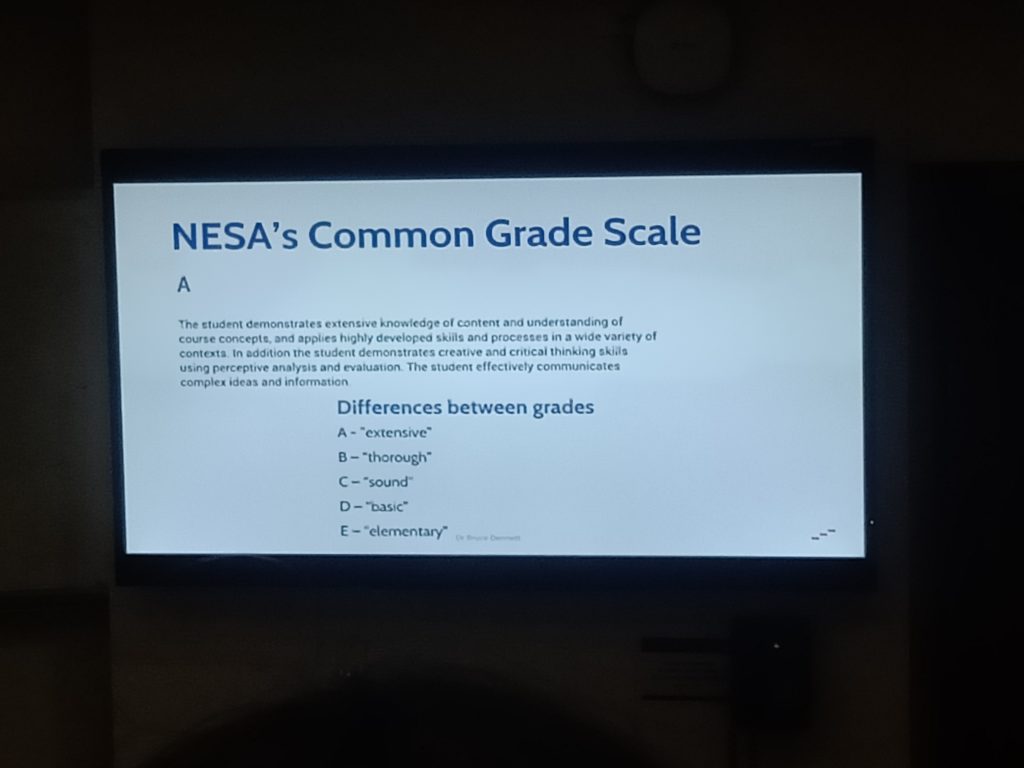
- Download the feedback from the marking criteria
- Do the HSC for YOU, not for your family
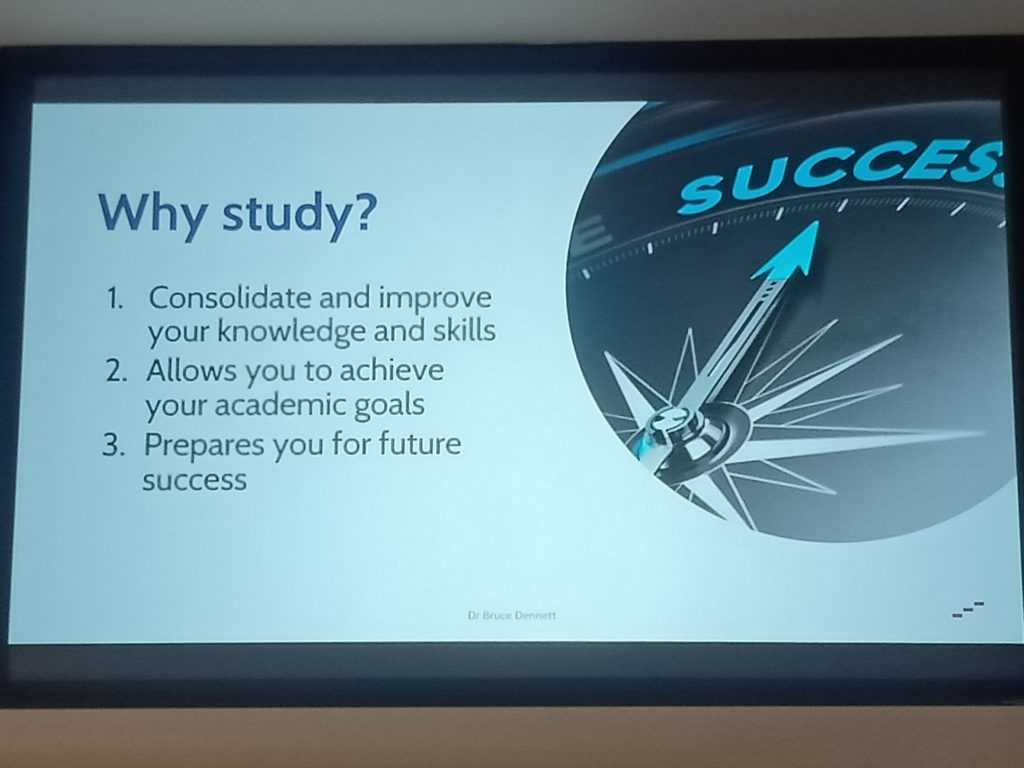
- Why study?
- Consolidate and improve your knowledge and skills
- Allows you to achieve your academic goals
- Prepares you for future success
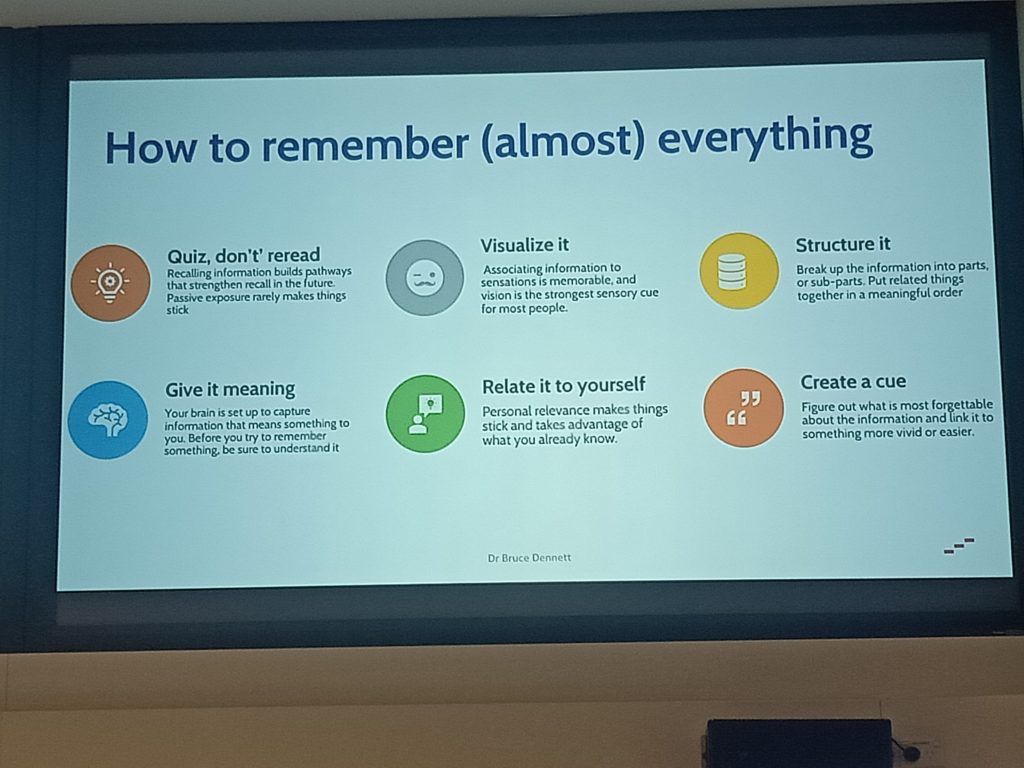
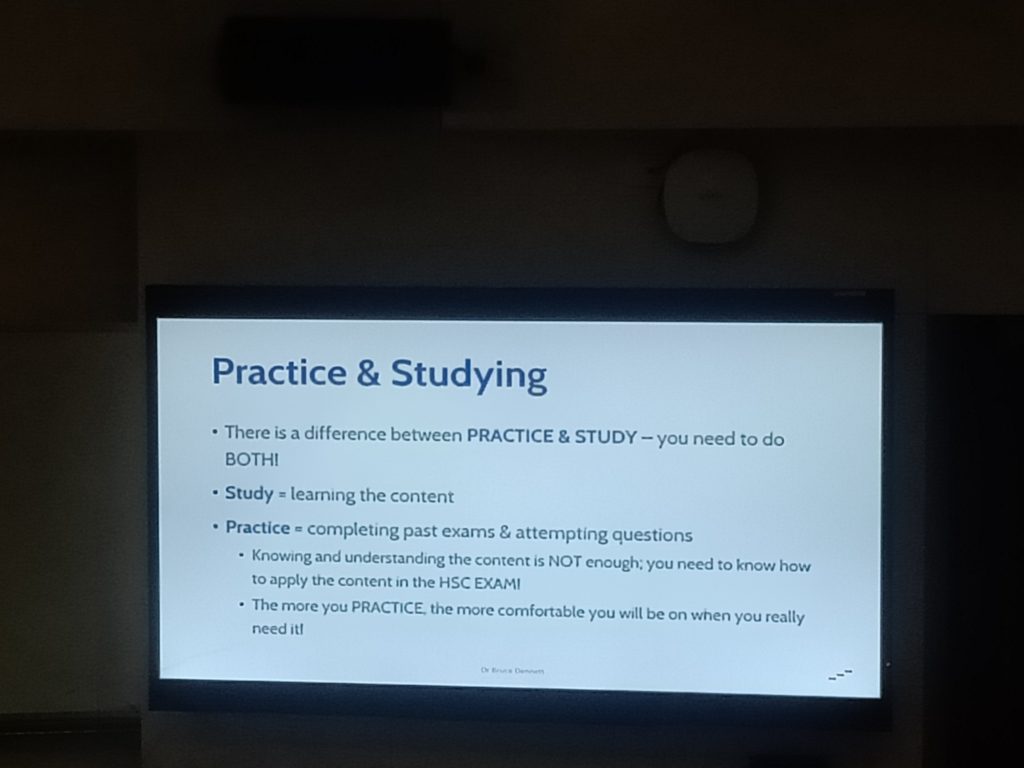
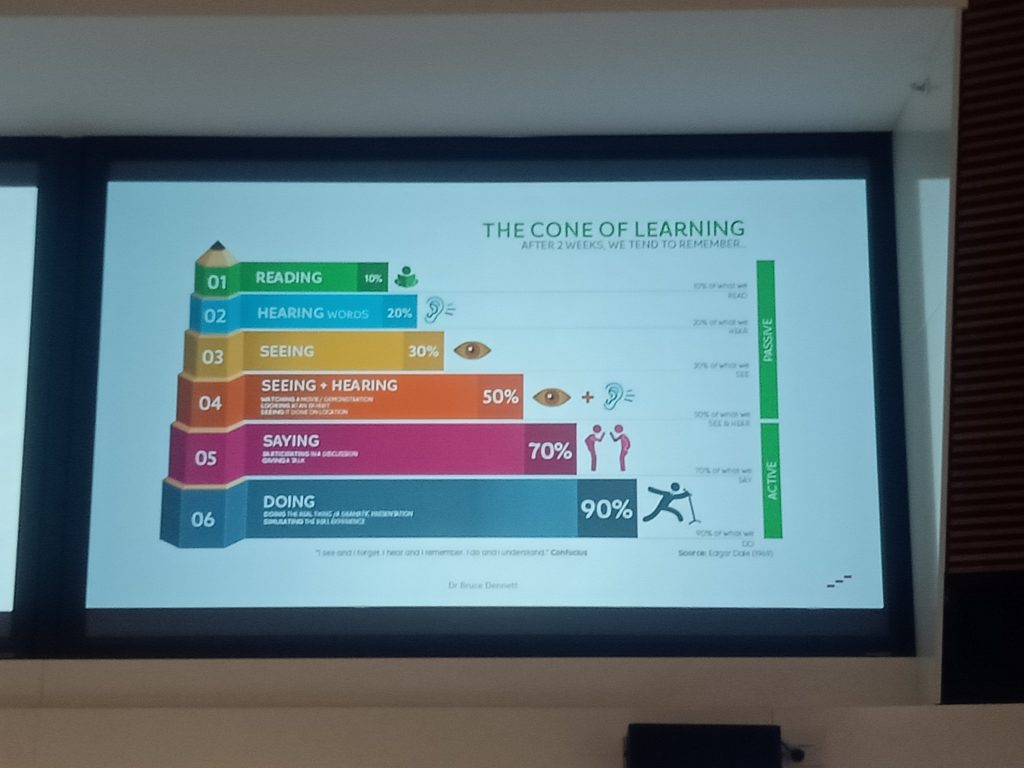
- If you don’t practice it, you don’t know it
- Change is gradual and incremental
- Confidence comes from being prepared
- Split energy produces split results
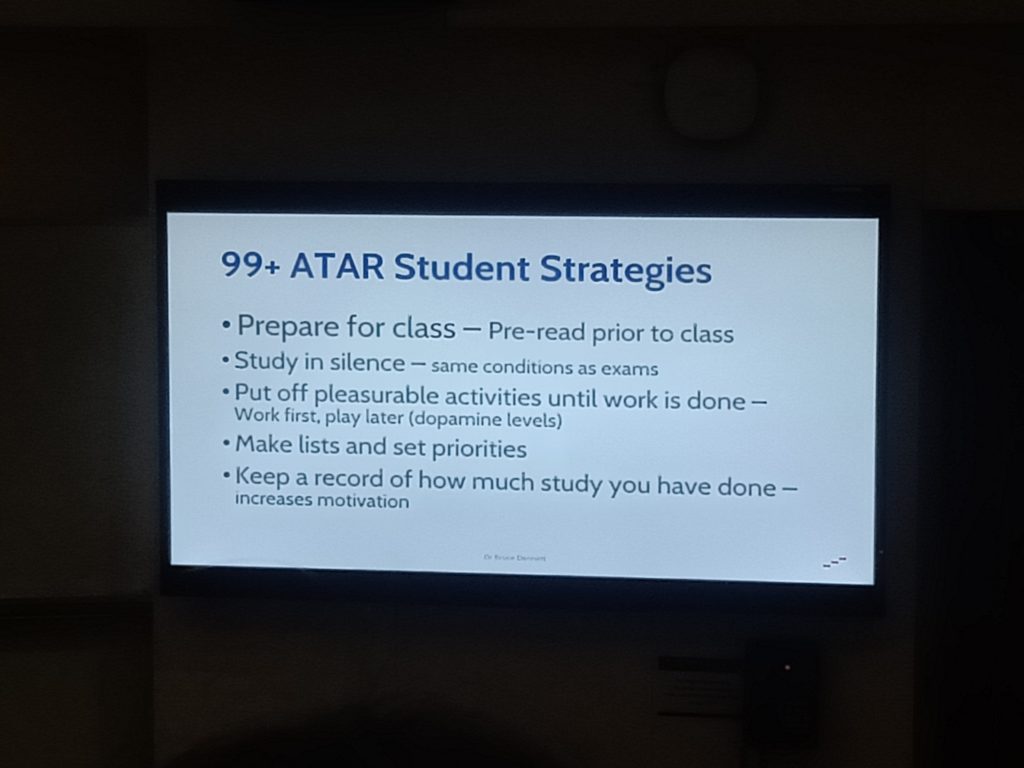
- Action this day
- If you:
- are fitter, you will do better in the HSC
- have a pet, you will do better in the HSC
- have neat handwriting and can write quickly, you will do better in the HSC
- Something is always better than nothing
- Plan for disruptions in advance
- Get an accountability partner and start achieving your goals
- Parkinson’s Law: A task will get performed in the time that is allocated to it
- Move the due date 1 day forward
- This ensures that you are prepared and are ready, and that you aren’t staying up late to finish it
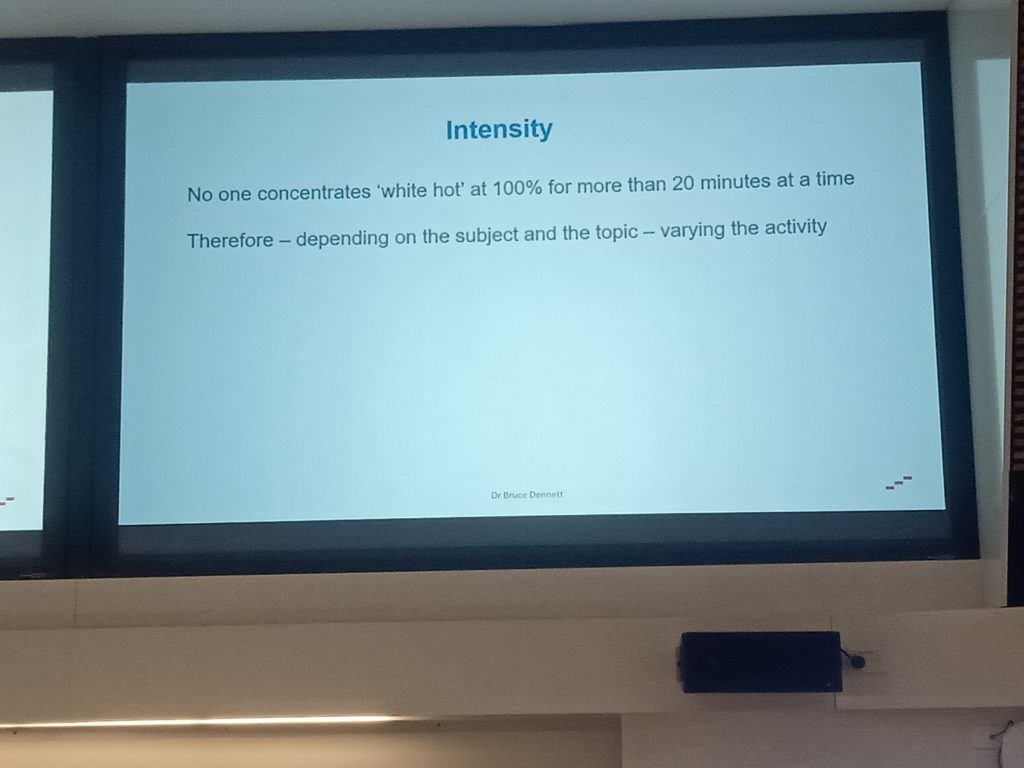
- Pomodoro technique: 45 minutes study + 15 minutes break
- Assessment is learning
- Learn the principles and where the theorem comes from
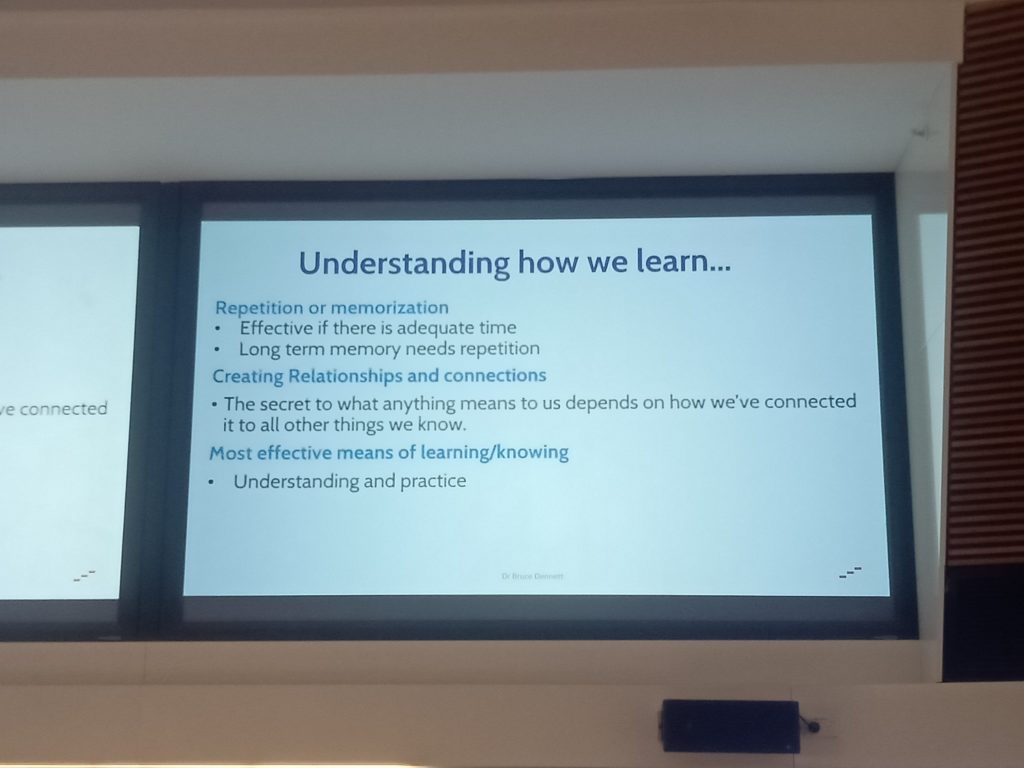
- If you learn it well enough, it’s there forever
- The subjects that are your worst/weakest should get more study time
- You will gain bigger rewards when you work on your worse subjects
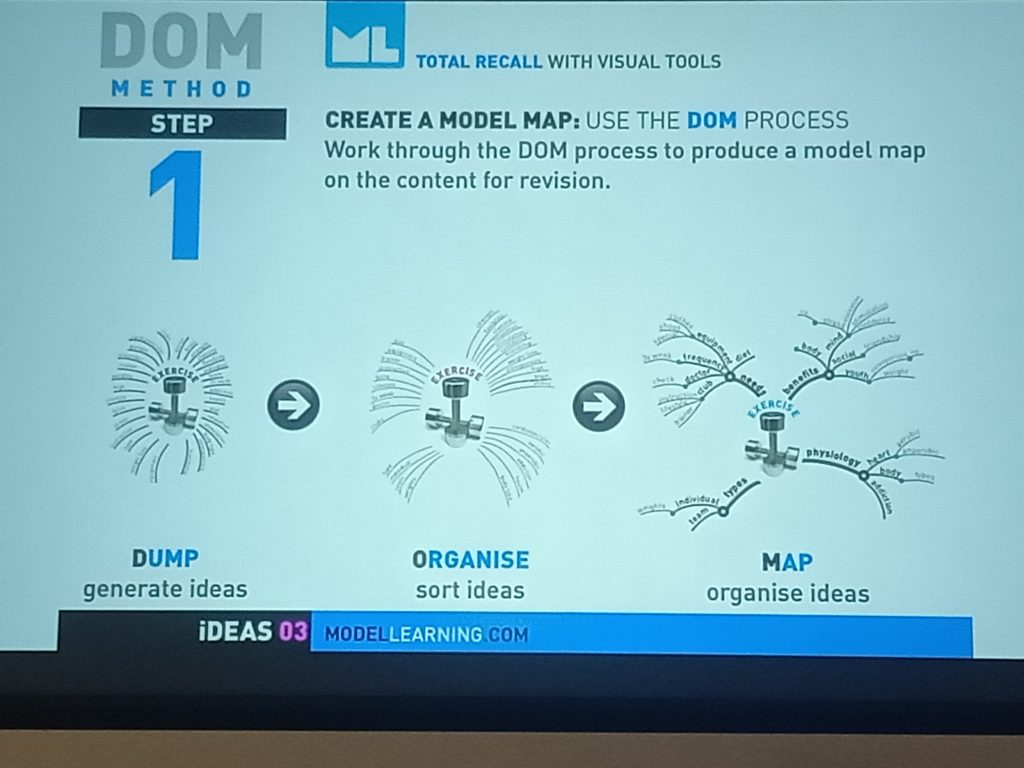
- What concepts are related to the content?
- There are always more marks at the start of a new question than the end of an old one
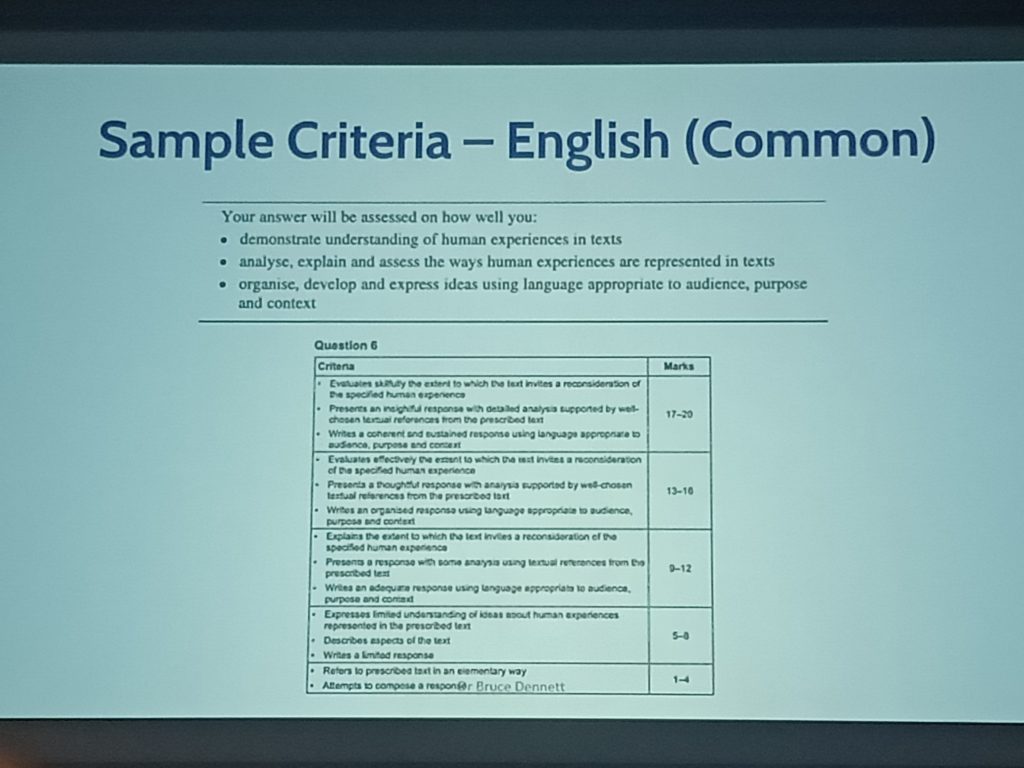
- Look at the marking criteria
- Pay attention to your time management in an exam
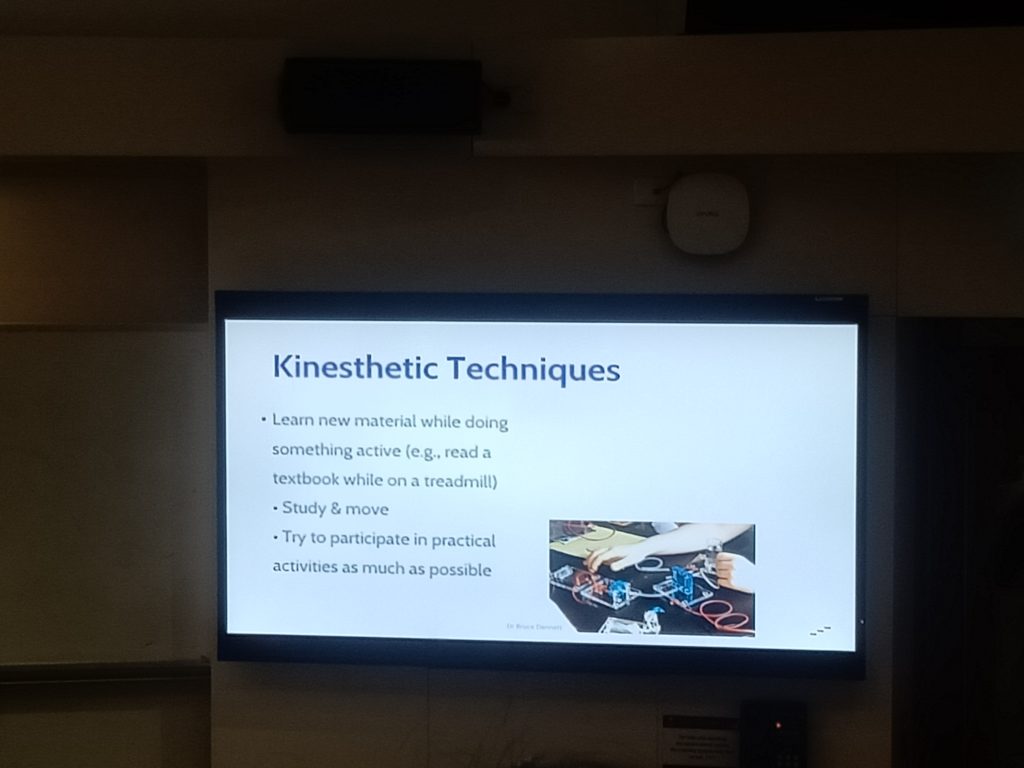
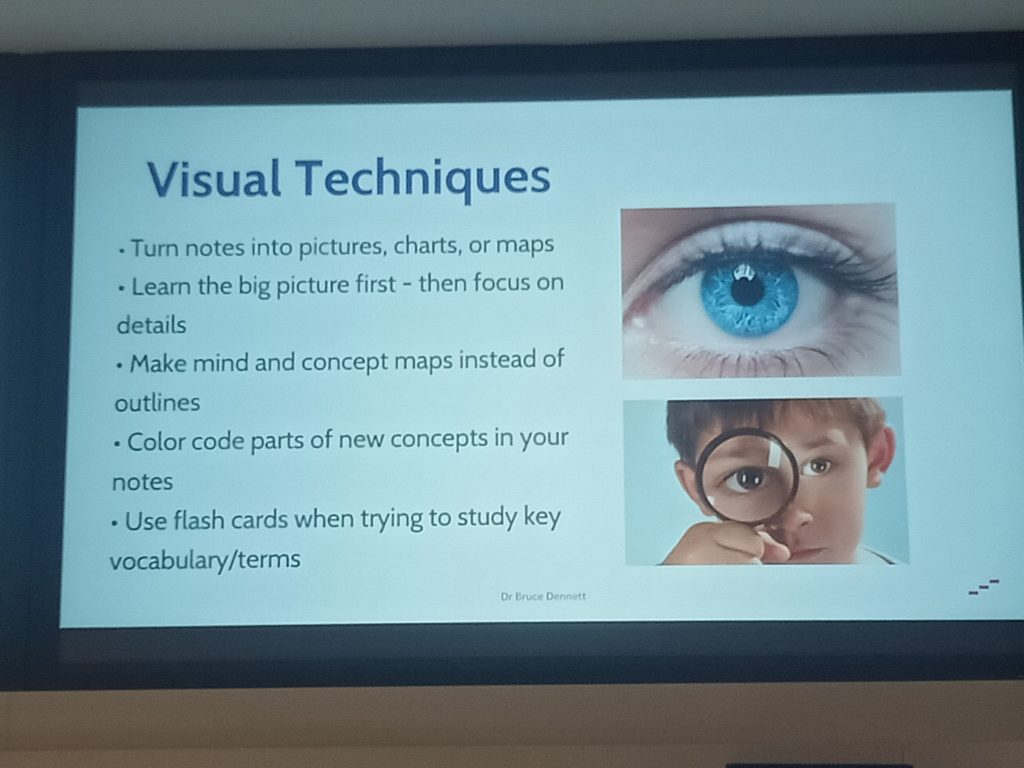
- Figure out what works best for YOU
- One size does not fit all; find a strategy that works for you
- Prepare for class
- Evaluate means making a judgment based on the marking criteria
Overall Reflection
What Did I Learn?
- Lectures about courses offered is the same as highschool subject talks:
- What is it?
- How can you apply it? (Career options)
- Course material
- Usually biased
- Informative > Engaging
- Societies are extra-curriculars that:
- Provide extra opportunities
- Bring people of similar interests together
- Are easygoing (most of the time)
- Form strong bonds + Builds community
- Can include people studying any degree
- Companies like employing people with double degrees
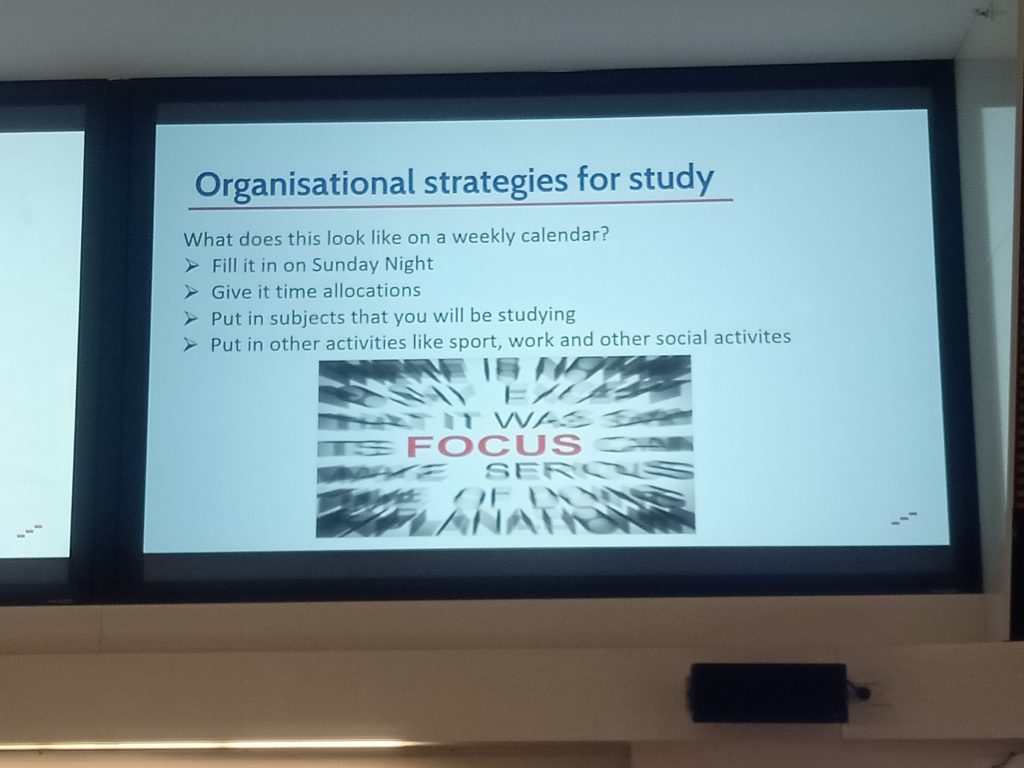
- Time management and prioritisation is very important
- Yet it is a long term skill that even directors of companies face and struggle with
- Scheduling (using Google Calendar) helps
- Plan for disruptions
- One size does not fit all
- Something that may work for someone else may not necessarily work for you
- Therefore, you can’t compare your journey with someone else’s
- How to ask specific and directed questions (COVERED IN THE NEXT BLOG POST)
- This led to a more unique and in depth answer/conversation rather than the generic, standard answer